The job behind the load
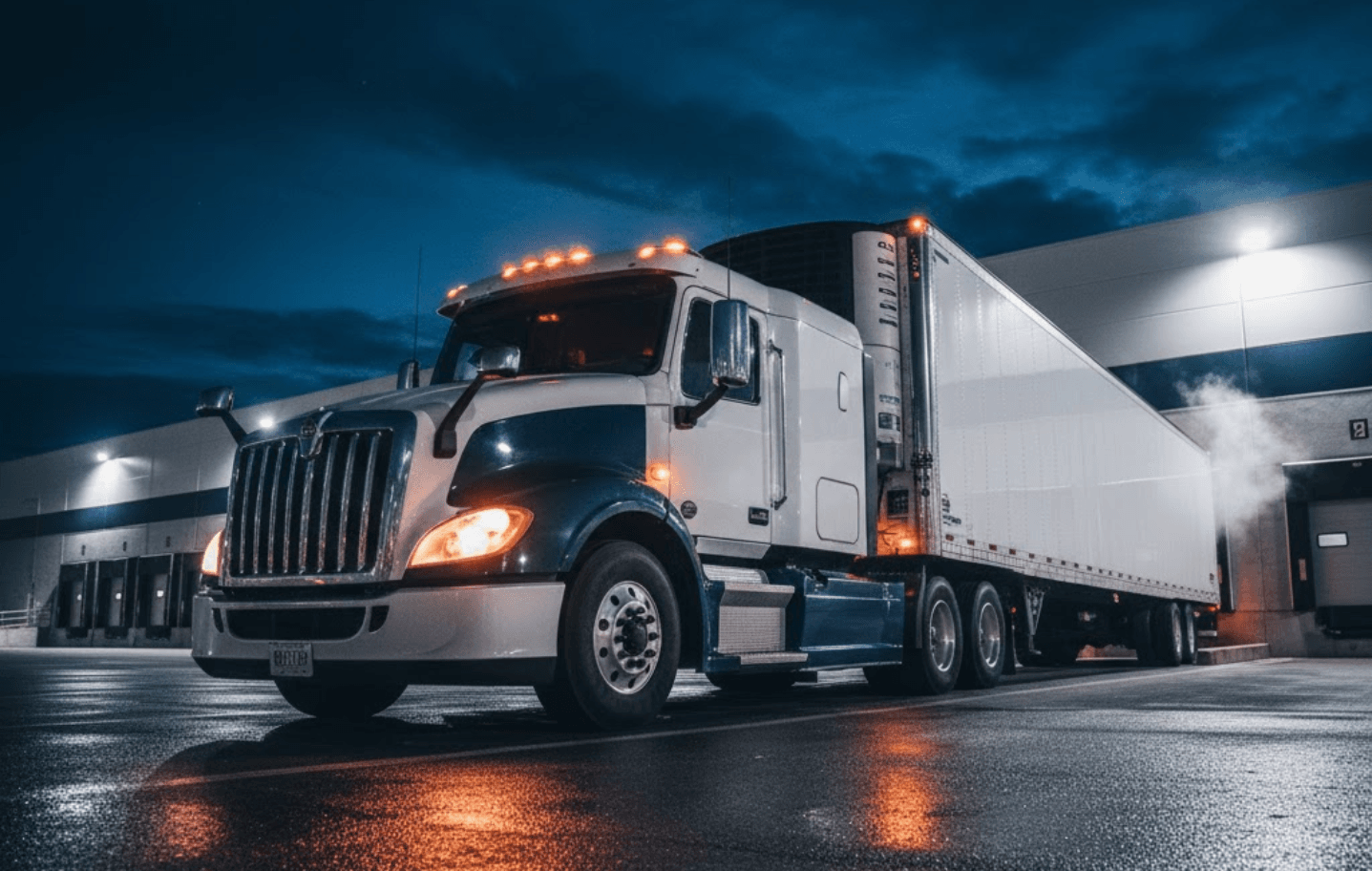
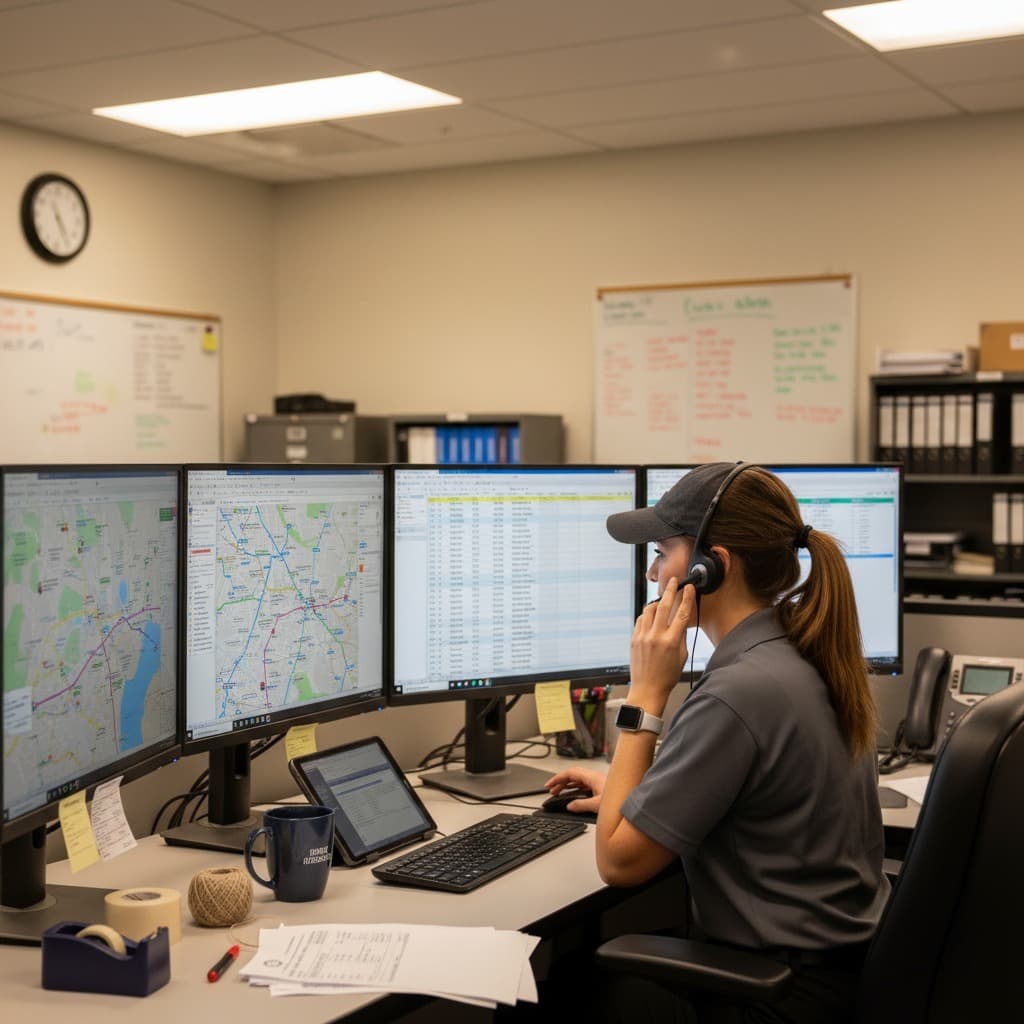
An owner-operator's working day has two tracks. One is the trip itself: the truck, the driver, the appointment, and the freight. The other is the coordination around that trip. Someone must find a suitable next load, confirm the details with the broker, keep documents together, and communicate when plans change. A dispatcher helps with that second track. The value is practical: fewer unanswered calls and a more organized way to consider the next opportunity.
Dispatch support is not a substitute for the carrier's judgment. The carrier decides what freight to haul, operates the equipment, and remains responsible for its own safety and regulatory obligations. A useful dispatcher presents information clearly enough for the carrier to make that decision. Gold Track Logistics describes its service as no forced dispatch: the carrier has the final say on a load.
What happens before a load is booked?
The dispatcher first needs to understand the operation. A dry van based in one region, a reefer with strict appointment preferences, and a flatbed running a specific lane should not receive the same list of options. Equipment, location, available hours, insurance requirements, preferred lanes, and acceptable schedule all affect whether a load is worth discussing.
When a candidate load appears, the useful questions go beyond the posted rate. Where is pickup relative to the truck? Is the trailer type right? Does the appointment fit the driver's availability? Are there stops, special handling instructions, or a delivery window that changes the plan? Could the destination make it difficult to find the next load? The dispatcher can collect these details, speak with the broker, and present the opportunity in a way the carrier can compare with alternatives.
For a simple illustration, imagine a truck unloading on Tuesday morning. One advertised load pays more but requires a long empty drive to pickup and delivery in a lane the carrier rarely uses. Another pays less on paper but picks up nearby and ends close to the carrier's preferred market. A dispatcher should surface the whole trip, not just the headline price. Our guide to deadhead miles explains that comparison in more detail.
What happens after the carrier accepts?
Once the carrier approves a load, the dispatcher can help confirm the commercial and operational details in writing. The rate confirmation should match the agreed pickup and delivery locations, appointment times, equipment, rate, and any relevant instructions. The driver needs the information in time to plan the trip. The dispatcher may also coordinate with the broker when a pickup time changes or a document needs correcting.
During the trip, useful communication is specific. A status update should say where the load stands, what changed, who was informed, and what happens next. When an appointment slips, a short, accurate update is more valuable than a promise that cannot be guaranteed. After delivery, the dispatcher may help hand documents to the back office so invoicing can begin. The exact division of work should be written in the service agreement.
Typical dispatch support can include:
- Searching for options aligned with the truck's equipment and preferred lanes.
- Speaking with brokers and discussing rates and load terms.
- Organizing broker packets, confirmations, and trip instructions.
- Coordinating updates when pickup, transit, or delivery changes.
- Passing completed-trip documents into the billing workflow.
What a dispatcher should not imply
A dispatcher should not promise that every load will be profitable, that a truck will never sit, or that a broker will pay a particular rate. Freight availability and terms change. The better standard is a clear process for evaluating opportunities and communicating uncertainty.
There is also an important distinction between dispatch service and freight brokerage. The Federal Motor Carrier Safety Administration's dispatch guidance discusses when a dispatch service may act as a carrier's agent and when conduct may require broker authority. A carrier evaluating any provider should understand the agreement and how the provider represents its role. This article explains a workflow; it is not a legal classification of any particular company.
How to decide whether support fits
Start with the tasks that consume the most attention. If the challenge is finding and comparing loads, ask how the service learns your lane and equipment preferences. If documents or payment follow-up are the problem, ask where dispatch ends and billing support begins. If several trucks are active, ask how status updates and driver handoffs work across the fleet.
Then request a walk-through of one hypothetical load: from the first broker conversation through delivery documents. Who checks the details? Who approves the rate? Who calls the broker if the appointment moves? Who receives the signed paperwork? The answers will show whether the service's daily process fits yours better than a broad sales claim.
Common questions
Does a dispatcher drive the truck or take responsibility for the freight?
No. The carrier operates the truck and makes the final decision to accept a load. A dispatcher supports the coordination around that decision. The exact tasks should be written in the agreement, including who communicates with brokers, who gives the driver instructions, and who handles documents after delivery. A vague promise to “handle everything” is less useful than a clear boundary.
Is dispatch support only for a one-truck business?
No. An owner-operator may want help finding options and organizing paperwork, while a growing fleet may need a shared process across several drivers. The question is whether the provider can adapt its communication and load review to the scale of the operation. For multiple trucks, fleet management support may be a better conversation than booking one load at a time.
Gold Track Logistics offers truck dispatching support for owner-operators and small fleets. If you are considering help, tell us about your trucks and lanes so the conversation can begin with the operation you actually run.