
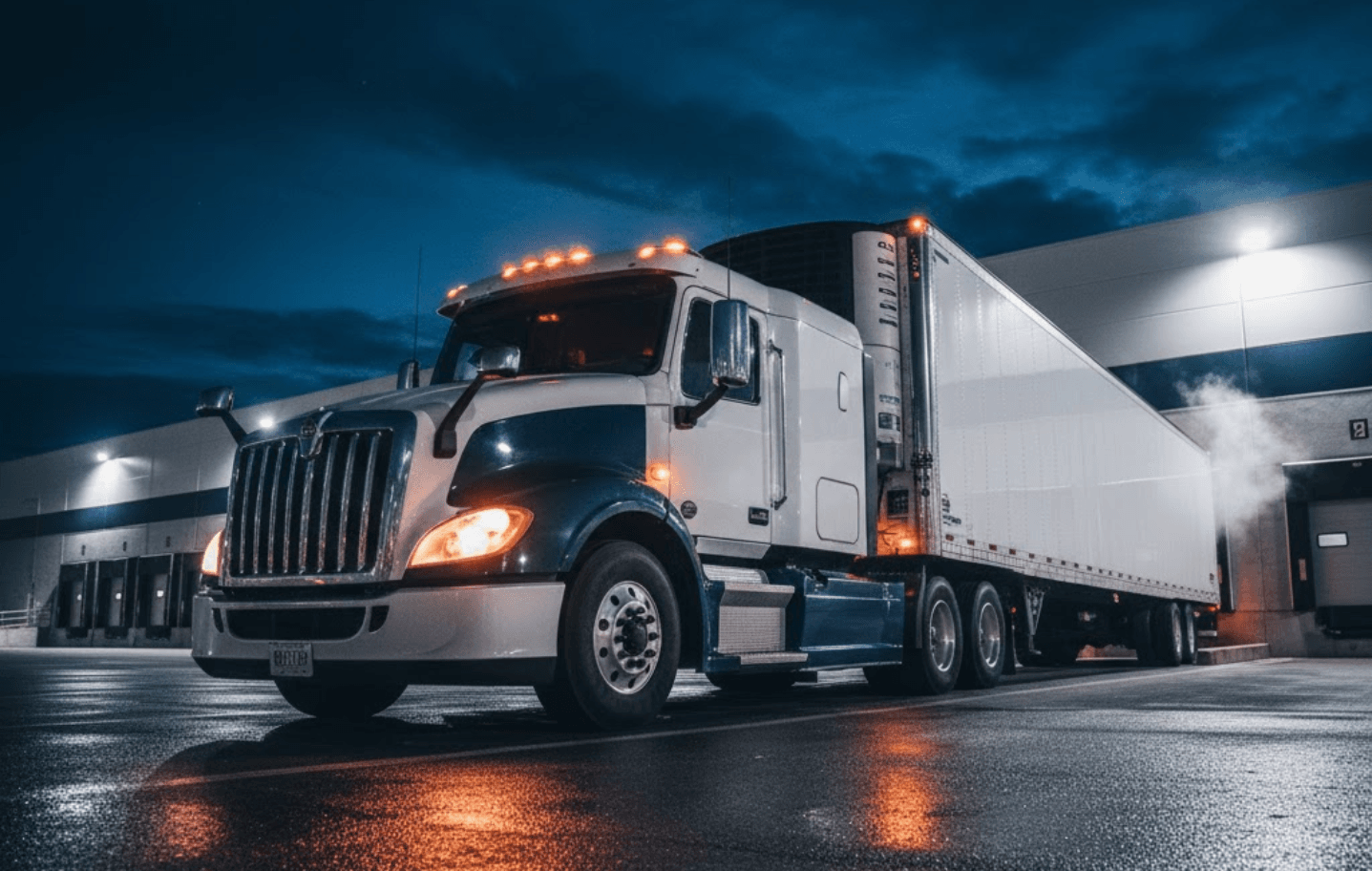
Two trailers, different questions
Dry van and refrigerated trailers can both move truckload freight, but the booking questions are not identical. A dry van is an enclosed trailer used for freight that does not need active temperature control. A reefer adds a refrigeration unit and the operational responsibility of maintaining conditions requested for the load. The dispatcher should not assume that a good dry-van process can simply be copied into a reefer move.
Gold Track Logistics supports dry van and reefer dispatch by helping the carrier evaluate and book suitable opportunities. The carrier remains responsible for the truck, trailer, driver, and load decision. Before discussing a rate, establish exactly what the equipment can do and where it will be available.
What is similar?
Both types of work begin with the basic match: origin, destination, pickup and delivery appointments, weight, commodity, trailer size, and the driver's available time. Empty miles to pickup and the next likely lane matter in either case. A rate confirmation should match the agreed terms before the truck moves. Broker contact details, facility procedures, and required delivery documents also need to be clear.
That shared foundation is easy to overlook. A temperature-sensitive load is still a transportation commitment with time windows and paperwork. Conversely, a standard dry-van load can carry special instructions that deserve the same careful review. No category label replaces the actual load details. Our guide to how load booking works walks through the broader process.
The extra reefer layer
A reefer opportunity should state the temperature instructions and any related handling expectations clearly. The carrier must consider whether the trailer and unit are suitable and ready for the move. Ask whether the instruction concerns a set point, acceptable range, pre-cooling, continuous operation, or another requirement, and clarify any ambiguous wording with the broker or shipper. Do not infer a temperature from the commodity alone.
The operating plan may also need attention to fuel for the refrigeration unit, time at the dock, and what records the customer expects. A late appointment can have different consequences when cargo must remain within specified conditions. If the unit develops a problem, the driver needs a clear escalation path. A dispatcher can help coordinate communication, but should not promise that the cargo's condition can be guaranteed by a phone call or tracking update.
For an illustrative comparison, consider two pickups at the same facility. The dry-van shipment requires an afternoon dock appointment and ordinary enclosed equipment. The reefer shipment requires a written temperature instruction and confirmation that the unit is prepared before arrival. Both need a realistic schedule; the second also needs equipment and condition checks before the carrier says yes.
Questions to ask before acceptance
| Question | Dry van | Reefer |
|---|---|---|
| Does the freight fit the trailer? | Check size, weight, packaging, and loading method. | Check those items plus temperature and unit requirements. |
| Is the schedule workable? | Verify appointment and travel time. | Verify appointment and time needed for equipment preparation. |
| What must the driver record? | Confirm load and delivery documents. | Confirm those documents and any requested temperature records. |
| What changes the plan? | Delays, facility instructions, or freight changes. | Those issues plus refrigeration or condition concerns. |
The table is a planning aid, not a statement of universal contract terms. Each rate confirmation and shipper instruction controls the actual move. If a broker gives conflicting directions, pause to clarify them before accepting.
Choose the load that fits the whole operation
It can be tempting to compare the two equipment types only by quoted rate. That leaves out trailer costs, empty miles, preparation, waiting, and where the truck ends up. A carrier should evaluate the total trip and the work required to perform it safely. A dispatcher should present those factors in a way the owner-operator can use, rather than treating a higher posted number as the answer.
Common questions
Does every reefer load require the same temperature process?
No. The written instructions for the particular commodity and customer matter. The carrier should confirm the requested setting, any range or monitoring requirements, and the preparation expected before pickup. A dispatcher can collect and relay those instructions, but the carrier must decide whether its equipment and operating process can meet them.
Can a reefer trailer take freight that does not need refrigeration?
Sometimes an opportunity may not require active temperature control, but trailer suitability, capacity, cleanliness, and the broker's requirements still need checking. Do not assume that the reefer automatically replaces a dry van on any load. Evaluate the actual freight and written terms before accepting.
If you operate either equipment type, tell Gold Track Logistics about your trailer, preferred lanes, and operating constraints. The team can explain its truck dispatching service and discuss what information it would need to search for suitable freight. You can start that conversation here.