Start with the freight, then the trailer
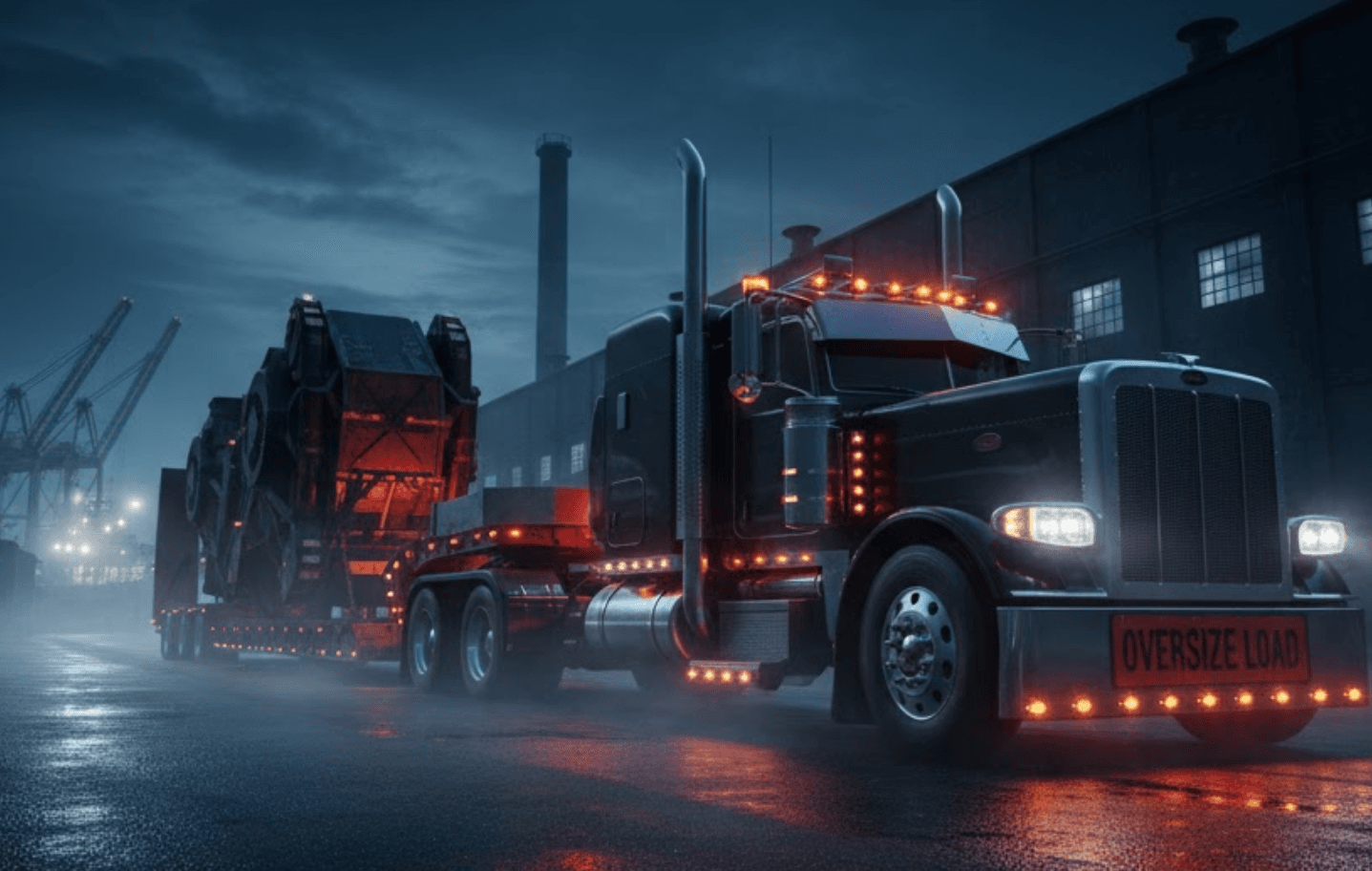
Flatbed and step deck work can involve freight that does not fit inside an enclosed trailer. That does not mean every open-deck load is oversized or needs the same equipment. A dispatch conversation should begin with the actual piece being moved: dimensions, weight, shape, loading points, securement needs, and pickup and delivery arrangements. Only then can the carrier decide whether its trailer and operating plan fit.
Gold Track Logistics supports flatbed and step deck dispatch by helping search for opportunities and coordinate broker information. The carrier and driver remain responsible for evaluating equipment, securement, permits when applicable, and the safe operation of the trip. A blog checklist cannot replace a load-specific plan.
Why trailer choice changes the answer
A flatbed offers an open platform. A step deck has a lower main deck behind a raised front section, which may help accommodate taller freight within a route's limits. The usable deck dimensions, capacity, and loading geometry of a specific trailer still matter. A load might fit on one step deck and not another. Asking for the exact commodity and its dimensions is more useful than accepting the word “flatbed” in a listing as proof of fit.
Ask how the freight will be loaded and unloaded. Does the facility have the required equipment? Where are the pickup and delivery points? Is a driver expected to bring tarps, edge protection, chains, straps, or another item? What is included in the agreed rate and what would require separate approval? These are commercial and operational questions to settle before the truck arrives, not surprises to resolve at the dock.
Securement is a carrier responsibility
Open-deck freight needs a load-specific securement plan. The FMCSA cargo securement rules cover general requirements and certain commodity-specific rules. They address how cargo is restrained and the condition and use of securement devices. This guide does not calculate tiedown counts or substitute for the applicable rules, trained personnel, or carrier procedures.
The dispatcher can help obtain the commodity description, photos, dimensions, and facility instructions early enough for the carrier to assess the move. That preparation is especially useful for unusual shapes or machinery. If the listing lacks enough information, request it before treating the load as ready to book. Do not promise that a photograph alone establishes securement or legal route suitability.
Check route and appointment constraints
An open-deck move may require more time for loading, securement, tarping, inspection, or unloading than an ordinary dock-to-dock dry-van trip. The proposed pickup and delivery windows should leave room for the actual work. If a load is over legal dimensions or weight for any jurisdiction on the route, permit and routing questions need specialist attention before commitment. Requirements vary by route and load; a generic nationwide answer is not enough.
Consider a hypothetical machine move that appears to pay well. The pickup is close and the delivery is in a favorable lane, but the listing omits the machine's height on the trailer and the loading method. The carrier should not accept solely on the posted rate. Collecting those facts might confirm the fit, reveal a different trailer need, or show that the trip is outside the carrier's normal work.
A pre-booking conversation checklist
- What are the exact dimensions and weight of each item?
- What trailer type, deck space, and loading method are required?
- Who is responsible for tarping and what does the written rate include?
- What securement information and materials does the carrier need?
- Do the route and dimensions raise permit or escort questions?
- How long are loading and unloading expected to take?
- Who provides final instructions if details change after booking?
The checklist helps the dispatcher and carrier ask better questions. It does not approve the load. The load-booking guide covers how to confirm terms in writing once the carrier is satisfied with the opportunity.
Common questions
Is a step deck automatically the right choice for tall freight?
No. A lower main deck can change the available height, but the load's dimensions on the trailer, route, weight, securement, and any permit requirements still need a specific review. The carrier should use the measurements of its own trailer and the actual freight rather than a generic category description.
Who decides whether the load is safely secured?
The carrier and driver must follow the applicable rules and their procedures. A dispatcher can help gather accurate freight information early, but it cannot approve a securement method from a load-board description. The FMCSA rules are the starting point for regulatory requirements.
Open-deck freight can be a good fit when the full plan is clear and the carrier has suitable equipment. If you operate flatbed or step deck trucks and want help identifying and discussing load options, review Gold Track Logistics' dispatch service and tell the team about your equipment.